
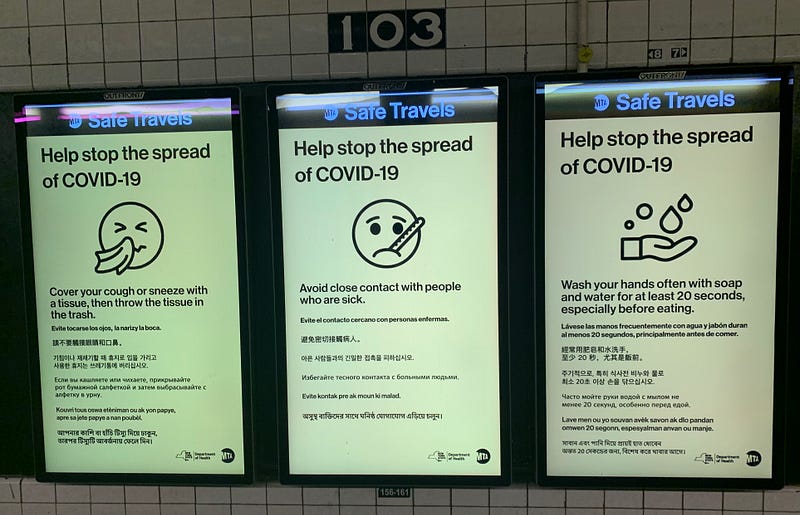
May 24, 2023 marks the end of the US COVID health emergency. It's been over three years.
It feels like the emergency is over in my world.
· I'm working in my client's office three days a week
· Traffic is definitely back
· My spin exercise class was full
· My social calendar needs coordination
Yet I know from my years of helping people navigate workplace change that what it takes to feel safe is not the same for everyone. Some people are not feeling like the emergency is over.
Disconnected
I started my blog series Disconnected, just two days after the US COVID health emergency was declared 3 years ago. Its purpose was to explore how companies can signal to younger workers that they can be part of their company's future and have time for a healthy and purposeful life. Because of the Health Emergency, it ended up being an advice blog for leaders on how to better the employees experience during this unprecedented time.

Disconnected published in April 2020 is a book for leaders with practical solutions for engaging Generation Z. Disconnected is available on Amazon.
In my first blog of the series (March 15, 2020), I boldly reported that when my 18-year old son ask me about the pandemic, I told him it was going to be OK.
It has been "OK?"
Whether you think it's been OK or not, depends on your perspective, I guess.
One thing is for sure, it has taken a toll on just about everyone. As more people come back to the office, be intentional about gathering together. I have done lunch and learns before about workplace relationships. This would be a good time to offer that to team members returning to work more regularly. Plus, new hires, especially early career employees would benefit from my session about how to build and maintain a personal network of support at work.
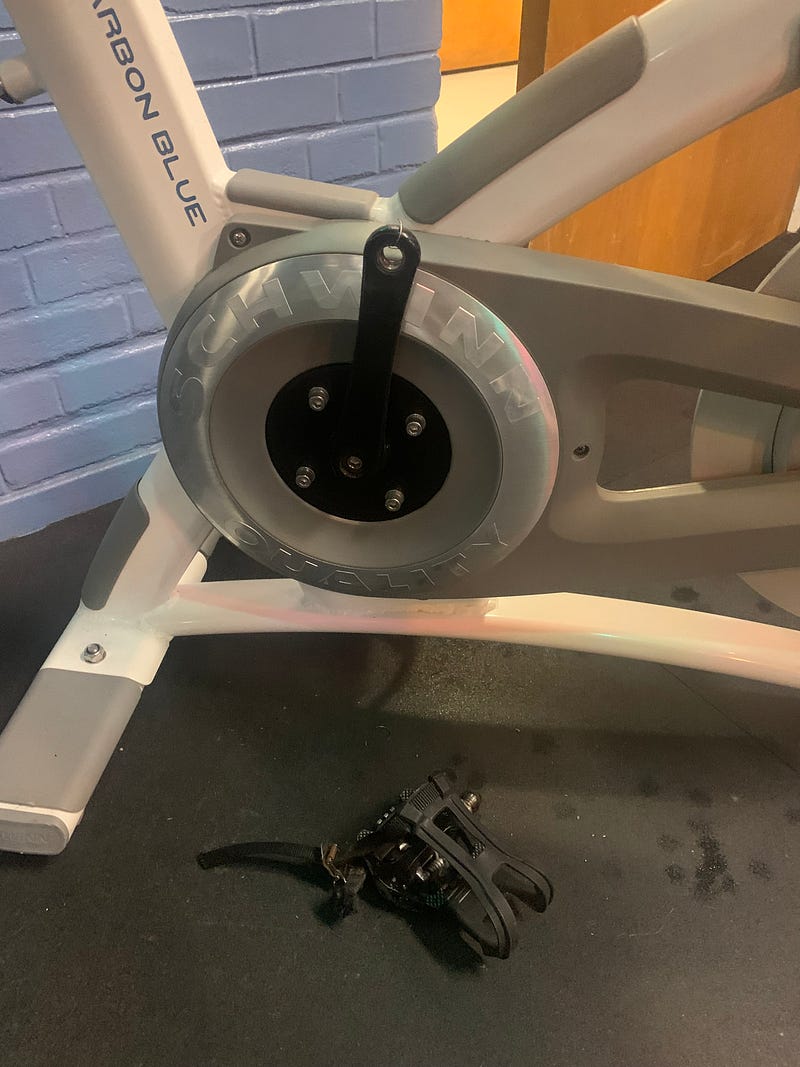
With the end of US COVID health emergency, it's time to make sure everything is in working order.
Is your footing steady?
In the exercise room where my spin class takes place, there are three less desirable bikes that no one has been on since the shutdown.
Yet, they were all used on Tuesday when the class was at capacity for the first time, since the shutdown.
I was on one of them and its cadence-speed meter didn't work. Next to me another person was riding on one of the "broken bikes." Part way through the class his pedal came off the bike, startling those of us nearby.
It makes sense to me why these bikes hadn't been fixed. It was not a priority. Until this week, there were enough "good bikes" for everyone.
That has now changed, people are back and we need all the bikes working.
Readiness Checklist
I have worked with leaders to create readiness checklists. I can help you consider what's been pushed off that now needs to be pulled forward.
With the end of US COVID health emergency, it's time to make sure everything is in working order.
Make sure these are on your list:
- Ready your People Leaders to properly engage college new hires. When this generation is not engaged enough or appropriately, they are not quietly quitting, they are simply quitting.
- Do a facilities' review to confirm if your optional work-from-home team members opt to come in on the same day, you can handle it.
- If hybrid is your operating model adopt practices to keep your in-office and virtual team members connected and be consistently clear on virtual work practices expected.
- Make it easy for team members to provide feedback to ensure they have a safe and inclusive work environment.
Be ready to #showup for those demonstrating burnout, loneliness and mental health struggles.
When it comes to the workplace, young adults can find both community and connection. This is what this youngest generation in the workforce is craving, so serve it up to them. Done right, you will find the hardest working generation of employees to enter the workforce in a long time. Not sure where to start, reach out to me, I would love to help you.
Key Points: